Law and platform are separate
The current legal starting point is the public-passenger licence and service category for the trip, not the app's download or booking screen.

A platform name does not make every trip legal, illegal, safe, or unsafe. Check the paid passenger service, driver, vehicle, insurance, and trip details separately.
The current legal starting point is the public-passenger licence and service category for the trip, not the app's download or booking screen.
Drivers should confirm that their cover applies to the actual passenger service; app membership does not rewrite an insurance policy.
Check the driver, vehicle, route, pickup point, licensing indicators, support path, and any mismatch before travelling.
A 2024 official report about engagement and enforcement is historical context, not a permanent statement of the platform's current status.
Jamaica's Road Traffic Act and Transport Authority framework govern paid public-passenger service. Government's national ride-hailing policy remains under development in the latest official update. An official June 2024 report said engagement with inDrive was outstanding at that time; this page labels that as dated context rather than a present-day licence or ban. This page provides general information, not legal advice. Rules and enforcement can change; check the linked official sources and the credentials for the specific trip.
See current policy statusPaid passenger transport should use the public-passenger licensing and identification required for its class. Negotiating a fare through an app does not by itself change the legal character of the trip.
Read the official statutory text and the Government's plain-language guidance on public passenger vehicle licensing and identifying marks.
These official updates describe the Government's policy work. A policy proposal or ministerial statement is not the same thing as an enacted law.
Compare the legal rule, platform-specific context, practical checks, and the still-developing national policy across the related Jackie guides.

The app name alone does not decide whether a particular trip meets Jamaican law. The practical legal check is whether the paid passenger service uses the required public-passenger driver, vehicle, licence, and identification.
Business
Personal
Partners
Power your business, save
time and move fast, literally
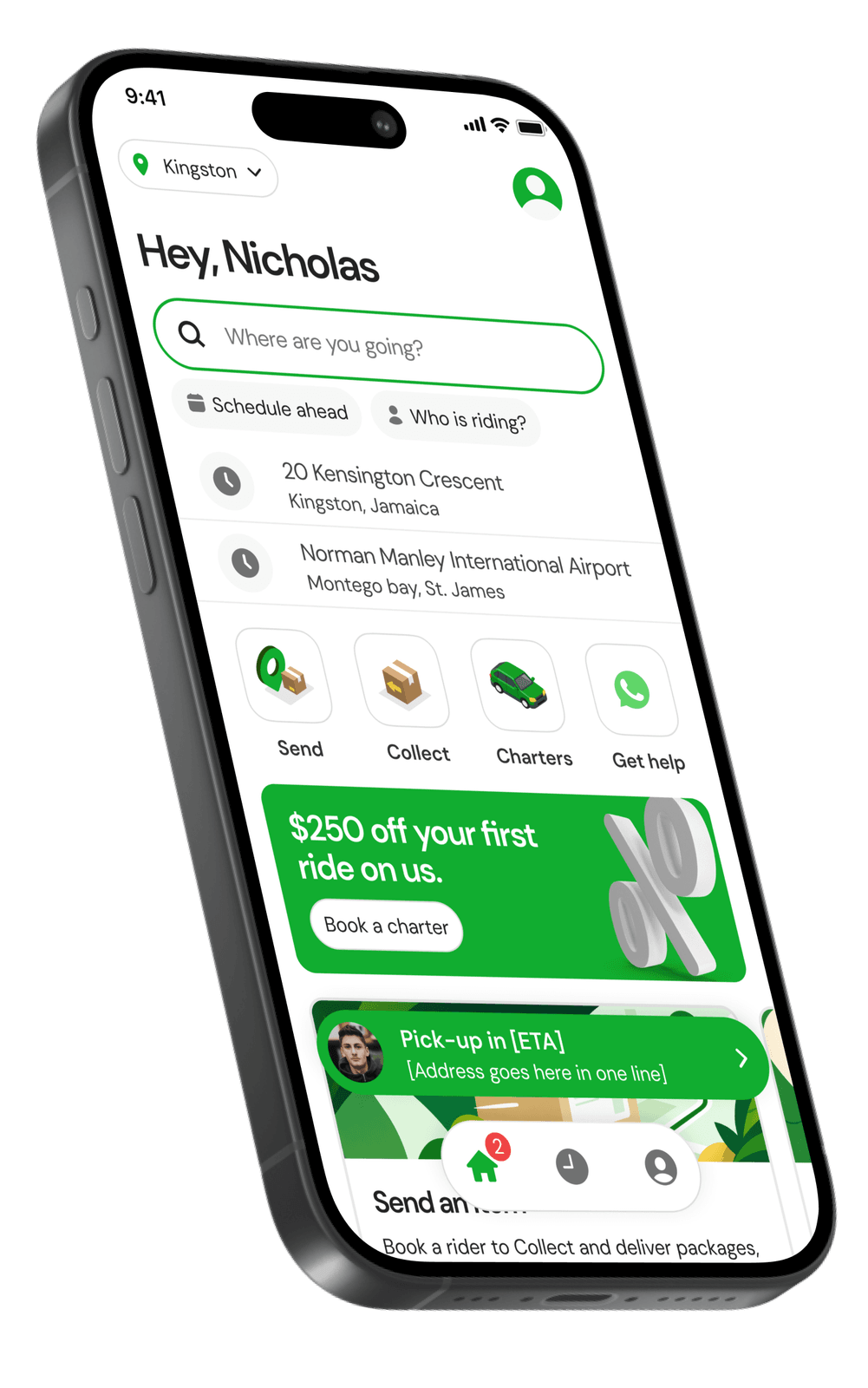
Available for iOS and Android devices.
Download the App

Products
What we do
Jackie Drive
Rides
Earn
Jackie Drivers
Driver earnings
Jackie Couriers
Company
About Jackie
Jackie's Mission
Accessibility
Investor relations
Support
Riders
Drivers
Couriers
Safety
Rider safety
Driver safety
Locations
Our cities
Our airports
Jackie
Get Jackie
Terms and Conditions
Privacy
Cookies
Security
Community Guidelines
© 2026 Conduence LLC. All rights reseved